Driveway Cleaning in Canton, GA: Stains, Algae & Oil Removal
Overview
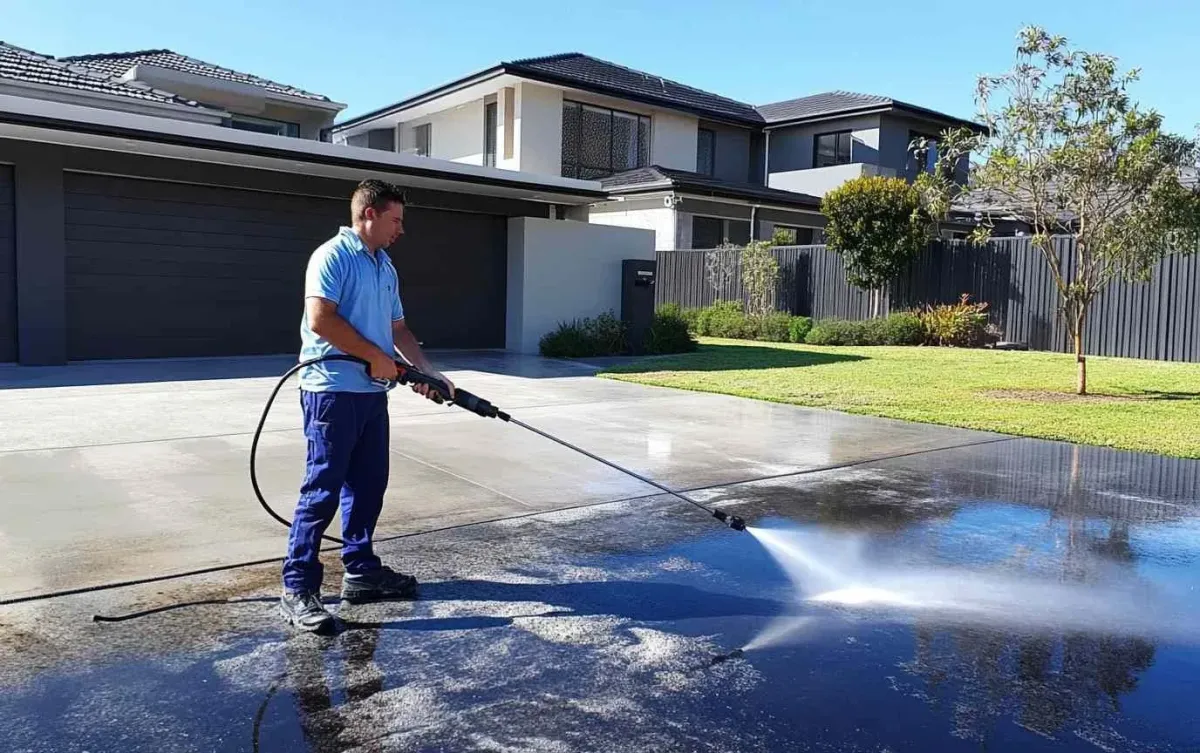
Driveway cleaning in Canton, GA is one of those jobs that looks simple from the curb but is more complicated than most homeowners realize. Concrete driveways in Cherokee County deal with a specific combination of challenges: motor oil stains, red Georgia clay tracked in from the yard, algae from year-round humidity, and a layer of pollen that bonds to the surface every spring. Professional concrete cleaning uses the right pressure levels and pre-treatment solutions to lift those stains without damaging older concrete or exposing the aggregate underneath. Done right, the difference is night and day. Done wrong, you can permanently etch the surface in a single afternoon.
Get a free quote from Grime Fighters Pressure Washing. We serve Canton, Woodstock, Jasper, and Ball Ground, GA. Reach out and we will assess your driveway and explain exactly what it needs.
Why Georgia Driveways Get So Dirty So Fast
The Red Clay Problem Unique to North Georgia
If you have lived in Cherokee County for any length of time, you know what red Georgia clay does to a driveway. It tracks in on tires, gets washed across the slab during heavy rain, and stains the surface in ways that a garden hose will not touch. Red clay penetrates the porous surface of concrete and bonds chemically over time, which is why driveways in this part of the state look so different from driveways in other regions.
How Humidity Causes Algae Growth on Concrete
Concrete is porous, and porous surfaces in a humid climate are basically an open invitation for algae. You see it most on shaded sections of driveways, walkways under tree cover, and along the edges where moisture lingers after rain. The green tint is more than cosmetic. It also makes concrete slick and dangerous, especially on slopes and around pool decks.
Types of Stains and How Each One Is Treated
Oil and Grease Stains
Motor oil and grease require a degreasing pre-treatment before any pressure is applied. The cleaning solution breaks down the oil so it can be lifted out of the concrete pores, instead of just smeared around on the surface. Old oil stains that have been sitting for years often need multiple treatments, and even then some shadow may remain. The fresher the stain, the better the result.
Algae and Green Buildup
Algae responds well to a sodium hypochlorite-based cleaning solution applied at the right concentration. The chemistry kills the algae at the spore level, then a surface clean rinses the dead growth off the concrete. Skipping the chemical step is the most common DIY mistake. Pressure alone might make the surface look better for a week, but the algae comes back faster than ever because the spores are still embedded in the pores.
Rust and Mineral Deposits
Rust stains from outdoor furniture, sprinkler runoff, or iron in the soil need an acidic treatment specifically formulated for concrete. Generic rust removers can damage the surface or leave bleached patches if used incorrectly. This is one of the stain types where DIY almost always makes the problem worse before it gets better.
General Grime and Pollen Bonding
Georgia pollen is its own category. The yellow-green dust we all know too well actually bonds to concrete during spring, especially when it gets wet and dries before being rinsed off. A combination of pre-treatment and surface cleaning lifts pollen out of the pores instead of just spreading it around like a hose tends to do.
When DIY Pressure Washing Makes Things Worse
How Wrong Pressure Settings Etch Concrete
Consumer pressure washers can put out enough force to physically damage concrete if used incorrectly. Holding the wand too close, using a zero-degree tip, or working the surface too long in one spot can leave permanent etching marks, lines, or zebra-striping that no amount of cleaning will fix. We see this on driveways constantly. Once concrete is etched, it stays etched.
Why Older Driveways Need Extra Care
Older concrete is more porous, more prone to surface deterioration, and more sensitive to high pressure than newer slabs. The aggregate (the rock embedded in the concrete) sits closer to the surface as the concrete weathers, and aggressive cleaning can expose it permanently. Older driveways need lower pressure, gentler chemistry, and a careful operator who knows the difference.
Want a driveway clean done by someone who actually knows the chemistry and equipment? Reach out to Grime Fighters and we will handle it the right way the first time.
What Professional Concrete Cleaning Looks Like
The Pre-Treatment Step Most Homeowners Skip
Before any pressure is applied, professional concrete cleaning starts with the right pre-treatment solution sprayed across the entire surface. Different stains call for different chemistry, and the solution is given time to dwell so it can break down the bond between the contaminant and the concrete. Skipping this step is the single biggest reason DIY driveway cleaning never matches professional results.
Surface Cleaning Equipment vs. Standard Wand
A surface cleaner is a flat, circular attachment that uses spinning nozzles inside a sealed housing. It cleans concrete evenly across a wide path, eliminates streaking, and protects the surface from accidental etching. A standard pressure washing wand cannot match the consistency of a surface cleaner on flat concrete, which is why every professional uses one for driveways and patios.
Frequently Asked Questions
Can pressure washing remove old oil stains from my driveway?
In most cases, yes, but the older the stain, the longer it has had to soak into the concrete and the harder it is to lift completely. A degreasing pre-treatment combined with the right pressure and surface cleaner removes the majority of oil staining. Very old or deep stains may leave a faint shadow even after professional cleaning.
How long does driveway cleaning take?
Most residential driveways in Cherokee County take one to three hours depending on size, condition, and the stains involved. Heavier oil staining or significant algae growth can extend the job. We give you an honest time estimate when we provide the quote so you know what to expect.
How often should I have my driveway professionally cleaned in Georgia?
Most Canton-area driveways benefit from professional cleaning once a year, ideally in the spring after pollen season. Heavy tree cover, frequent vehicle leaks, or shaded sections that grow algae faster may push that to every six to nine months. Annual maintenance keeps the surface looking right and prevents staining from setting in.
Will concrete cleaning damage my driveway if it's older?
Not when it is done correctly. The risk with older concrete is using too much pressure or the wrong technique, which can etch or expose the aggregate. A professional who uses the right surface cleaner and adjusts pressure to the age and condition of the slab will leave it cleaner without causing damage. That is the entire reason hiring a pro matters more on older concrete than newer.
Get a free quote from Grime Fighters Pressure Washing. We serve Canton, Woodstock, Jasper, and Ball Ground, GA. Reach out and we will get your driveway looking right again.